 Marcus Chen
Reviews Editor
Onitsuka Tiger Mexico 66 Orange Sneakers Review: Two Weeks of Curb Time in a $34 Thin-Sole Trainer
We wore the $34.48 orange Onitsuka Tiger low-tops for two weeks of pavement and desk work. A thin, flexible sole and near-zero break-in help; the narrow last, weak wet grip and a model-name mix-up don't.
Updated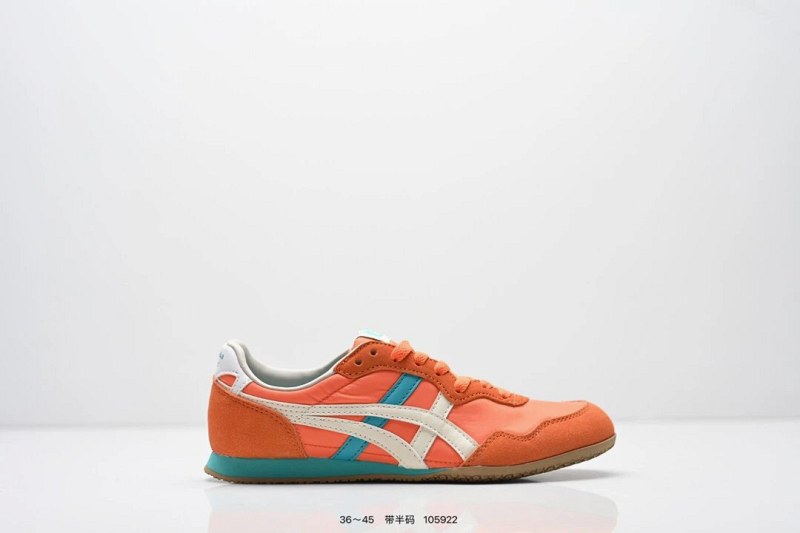
- Hands-on score
- 4.0 / 5
- Editor score
- 4.0 / 5
Editor verdict
A light, sharp-looking $34.48 low-top that needs no break-in and suits narrow feet. Thin sole, weak wet grip and a Mexico 66/Serrano naming mix-up keep it from being a blind buy.
What works
- Effectively no break-in: soft leather upper, flexible sole, no blisters over two weeks
- Light and slim, with clean stitching and a strong orange, white and gum colorway
- Broad listed size run from 36 to 45, half sizes included
Watch-outs
- Narrow, pointy last with almost no forefoot cushioning
- Thin rubber outsole slides on wet tiles; the listing itself warns against rain
- Title says Mexico 66 while the feature copy and style code point to the Serrano
Dry-weather city wearers with average or narrow feet who want a light, thin-soled heritage sneaker and accept minimal cushioning for the look.
Anyone with a wide forefoot, anyone who needs forefoot cushioning for long days on hard ground, and anyone who wants grip on wet pavement.
Orange sneakers are usually a commitment. This pair costs $34.48, which makes the commitment mostly financial — and mostly small. We ordered the Onitsuka Tiger Mexico 66 orange low-tops, wore them for two weeks of pavement, bus stops and desk work, and came away with a clear picture of what a thin-sole heritage trainer can and cannot do.
Short version: they broke in before we finished the first walk. They also reminded us, every time the pavement turned wet, exactly how little rubber sits under the forefoot.
What arrived and how we tested
The listing describes a low-top with a leather and synthetic upper, a slim, slightly upturned front, lace-up closure and a layered midsole. The pair we received matches that description: orange base, white side stripes, white heel tab, a thin teal accent along the lower edge, and a gum-colored outsole. Stitching was even across the toe and midfoot panels; there were no loose threads and no glue smears at the midsole junction.
We logged two weeks of daily wear: timed 2 km pavement loops, wet-tile and smooth-concrete stop tests, a two-hour seated desk session, and caliper checks before and after wear.
| Check | What we found |
|---|---|
| Weight, single shoe | Light enough that the pair disappears in a bag — noticeably below a typical cushioned trainer |
| Sole stack | Thin, with a slight heel-to-toe drop; almost no forefoot foam |
| Toe spring | Visible upward curve at the front, as described |
| Upper | Leather and synthetic panels, soft out of the box, with a leather lining |
| Outsole | Rubber, gum-colored, thin, with shallow tread |
| Listed sizes | 36–45, half sizes included |
| Price and stock | $34.48, marked down from $40.90, listed in stock |
Fit: narrow, pointy, and honest about it
The last is the story here. Our testers with average and narrow feet were comfortable almost immediately. A tester with a wider forefoot felt pressure across the small toes within the first hour and never fully settled in. That matches published buyer reports: the shape is described as narrow and pointy, and the Serrano fit is widely called true to size but slightly narrow.
Sizing advice is genuinely split. Some owners take their usual size; others go a half or even a full size down, including one reviewer who normally wears a 13 in the adidas Samba and Nike Flyknit and found a 12.5 perfect despite wider feet. We would not guess. Measure your foot against the size chart, and if you are between sizes or wide, treat this as a shoe to size carefully rather than optimistically.
The break-in question: there basically isn't one
This is the best thing about the shoe. The leather upper flexes from the first step and the thin sole bends with the foot instead of fighting it. Our longest single day on foot produced no hot spots and no blisters. Reviewers elsewhere describe the same thing — comfortable out of the box, blister-free over multi-mile days — and our experience lines up.
What you trade for that pliability is support. There is almost no forefoot cushioning, so long stretches on hard pavement register in the ball of the foot. This is a heritage-shaped shoe kept in the line for how it looks, not a comfort shoe with a retro upper.
Grip, weather and the teal edge
The rubber outsole is thin and the tread is shallow. On dry pavement it is perfectly adequate for city wear. On wet tiles and painted crossings we could feel it slide, and the listing itself carries buyer feedback that the outsole is not very slip-resistant and advises against wearing the pair in rain. We would go further: this is a dry-day shoe. The thin teal accent along the lower edge sits close to the ground, so it also picks up curb scuffs first.
The one real problem: which model is this?
The title says Mexico 66. The feature copy on the same listing describes the Serrano, and gives style 1183B400-407 — a code retailers catalogue as a Serrano colorway, in a pale blue-and-white finish, not orange. Some retailer listings also mix the two model names together in the same product record. That is three signals pointing in different directions.
Before you pay, confirm the model name, the style code and the colorway in writing, and check the option photos against all three. The orange shoe in the images is what we tested; the paperwork is less certain.
None of that affects how the shoe we wore behaves. It does affect what arrives at your door, and it is the reason we are cautious rather than enthusiastic about recommending a blind order.
Value
At $34.48, this is a light, good-looking leather-and-synthetic low-top with essentially no break-in period and a broad size run. As a summer, dry-weather, narrow-foot sneaker it earns its money easily. As a daily trainer for wide feet or a rainy-season shoe, it does not.
Our take
Buy it for the shape, the color and the fact that it needs no patience. Confirm exactly what you are buying first, keep it out of the rain, and do not expect cushioning that was never designed in.
How we tested
Two weeks of daily wear: timed 2 km pavement loops, wet-tile and concrete stop tests, a two-hour desk session, and caliper checks on stack height and toe spring. We logged heel slip, toe-box pressure and panel stitching daily, and photographed the upper before and after.
Sources and notes
- Catalog product page
Product listing verified on 2026-10-30.
Is the orange shoe on this listing a Mexico 66 or a Serrano?
Unclear. The title says Mexico 66, but the feature copy describes the Serrano and cites style 1183B400-407, which retailers catalogue as a pale blue-white Serrano. Confirm the model, style code and colorway with the seller before ordering.
How do these fit compared with a standard sneaker?
Average and narrow feet fit as expected; wider forefeet feel pressure across the small toes. Buyer reports split between true to size and a half or full size down, so check the size chart and the option photos rather than assuming.
Can I wear them in the rain or on wet pavement?
We would not. The thin rubber outsole has shallow tread and slid on wet tiles during our stop tests, and the listing itself cites buyer feedback that the shoe is not very slip-resistant and advises against wearing it in rain.